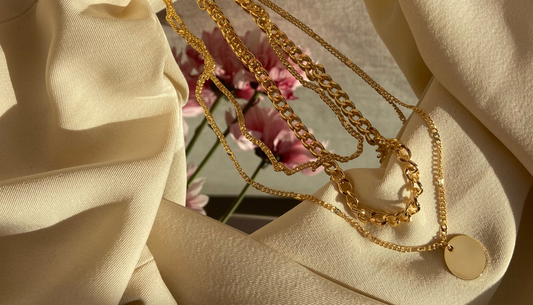
How to Care for 18K Gold Plated Jewelry and Keep It Shining?
Real gold needs real care. This guide shows how to care for 18K gold plated jewelry at home. You'll learn to clean it, create a cleaning routine, and prevent tarnish without harsh chemicals.
Gold-plated items have a thin 18K gold layer over brass or copper. That beautiful look can fade if you don't follow simple steps. A soft wipe, a gentle soap-and-water rinse, and smart storage help keep your jewelry shining for years.
Take off jewelry before showering, swimming, or working out. Chlorine, salt, sweat, and friction can dull the finish. Store each piece in a dry pouch or jewelry box to protect it from humidity and scratches. If the shine fades, gentle home cleaning or professional re-plating can bring it back.
Whether you wear a sleek huggie or a minimalist pendant from Kivié jewelry, these steps support everyday elegance. Let’s start with the basics and build a routine that fits your life.

Key Takeaways
- Adopt a simple Jewelry cleaning routine: soft cloth daily, mild soap-and-water as needed.
- Know how to clean gold plated jewelry without abrasives or harsh chemicals.
- Remove pieces before showering, swimming, or exercise to keep gold jewelry from tarnishing.
- Store in a cool, dark, dry place with items separated to prevent scratches.
- Use humidity control to protect brass-based pieces and extend finish life.
- Refresh shine at home, and consider professional re-plating when wear appears.
What 18K Gold Plated Jewelry Is and Why It Tarnishes
18k gold plated jewelry is a mix of beauty and smart design. It has a thin layer of real gold over a base metal. This gives it a rich color and long-lasting shine. People want to know how to keep it looking new.

Gold plating basics: thin gold over brass or copper via electroplating
Electroplating is a method that adds gold to metal. It uses brass or copper as the base. A nickel buffer is sometimes used to prevent the gold from flaking off.
How plating thickness (microns) affects durability and long-lasting shine
Thickness of the gold plating matters a lot. Thicker plating means better color and less chance of tarnish. Rings and bracelets need at least 0.5 microns to last longer.
Why discoloration happens: base metal migration, oxidation, and wear
Base metal can move into the gold layer over time. This, along with air, moisture, and friction, causes oxidation. Gentle cleaning helps keep the long-lasting shine of gold plated jewelry.
Brass jewelry care considerations: reactivity to humidity, salt, and sweat
Brass jewelry reacts to humid air, salt, and sweat. These things can change its surface quickly. Proper care, like keeping it dry and clean, helps it stay bright.
18K gold plated jewelry care, Jewelry cleaning routine
Good habits keep jewelry looking new. A regular Jewelry cleaning routine is key. It uses gentle jewelry cleaning to prevent tarnish and protect the thin layer. Here's how to clean gold plated jewelry at home safely.

Daily wipe-down: soft, non-abrasive, lint-free cloth to maintain glow
Every night, gently wipe your jewelry with a clean, lint-free cloth or chamois. This removes oils, dust, and smudges. Daily care is essential for 18K gold plated jewelry and prevents tarnish.
Gentle jewelry cleaning: warm water + mild dish soap (no antibacterial)
For cleaning at home, mix warm water with a bit of mild dish soap. Don't use antibacterial soap. Soak for a few minutes, then rinse and dry with a soft cloth. It's a simple way to clean gold plated jewelry.
What to avoid: abrasive polishing cloths and harsh chemicals
Don't use scouring pads, powdered cleansers, or polishing cloths for solid silver or gold. They can damage the plated layer. Also, avoid chlorine, salt water, strong detergents, and acidic products. This helps maintain 18K gold plated jewelry and prevents tarnish.
At-home jewelry cleaning cadence: every 3–6 months for most-loved pieces
Create a cleaning schedule. Clean your jewelry gently at least once a year. For your favorites, do it every three to six months. This keeps your jewelry looking great and safe.
Habits to Avoid Tarnish and Fading for Everyday Elegance
Small changes in your daily routine can help keep gold jewelry looking new. Follow these simple tips to avoid tarnish and fading. They will help you maintain your jewelry's shine and add elegance to your everyday look.
Always put on jewelry last and take it off first. Apply perfume, hairspray, deodorant, moisturizer, and makeup before wearing jewelry. These products can cause reactions that darken the plating, sometimes turning it black.
- Last on, first off: let products dry fully before wearing rings, chains, or hoops.
- Wipe skin and metal after events for a clean, dry finish.
Even if jewelry is labeled as waterproof, remove it before showering or swimming. Chlorine in pools, salt water at the beach, and fresh water with soap can dull the finish and speed up wear.
- Take off bracelets and necklaces before stepping into a shower or hot tub.
- Rinse and dry items if they get wet to keep gold jewelry from tarnishing.
Sweat, sleep, and exercise can wear down the plating. Sweat is slightly acidic and can erode finishes, which is worse on brass or copper bases.
- Remove jewelry for workouts, runs, and yoga to avoid tarnish and fading.
- Do not sleep in chains or rings; nighttime rub and tangle shorten plating life.
Don't wear jewelry during household chores. Detergents, bleach, and abrasive pads can damage the surface.
- Take pieces off before using brands like Clorox, Dawn, or Lysol.
- Store items in a dry spot after tasks to sustain everyday elegance.
These tips are easy to follow and fit into any routine. With these habits, you can keep your gold jewelry shining without extra work.
How to Store Jewelry Properly for Long-Lasting Shine
Storing jewelry right keeps it looking new. This guide helps keep your jewelry bright, whether you prefer simple gold pieces or Kivié's luxury items.
Cool, dark, dry storage: pouches, cases, or a jewelry box
Store jewelry in a cool, dark spot. This limits light and air. Use soft pouches, cases, or a lined box to protect against tarnish.
Tip: Always close clasps and fold chains to avoid damage. Return jewelry to its place after wearing to maintain its shine.
Separate pieces to prevent scratches and finish chipping
Keep each piece separate to avoid scratches. Use divided trays, anti-tarnish bags, or small pockets for different items.
- Bag necklaces to prevent tangles and damage.
- Store earrings on cards or in small pouches to avoid scratches.
- Place bracelets flat to reduce wear on edges.
Humidity control: why bathrooms and coastal air speed up tarnish
Moisture speeds up tarnish, harming brass cores. Avoid storing jewelry in bathrooms, as steam can dull surfaces.
Living near the ocean? Wipe jewelry clean after wearing. Use silica gel packs in your storage to combat salt and heat damage.
Travel tips for minimalist gold jewelry and affordable luxury
For travel, use soft-lined organizers with zip pockets for minimalist gold jewelry. Wrap each piece in a cloth to prevent movement.
- Before packing, dry jewelry and wipe it clean to remove oils and sunscreen.
- Keep pouches in a cool place, not in a hot car.
- After traveling, clean jewelry lightly and restow it by type.
Following these tips keeps your jewelry looking great, even without frequent cleaning. It's all about the Kivié jewelry care guide and maintaining your affordable luxury items.
Safe Cleaning Methods for Brass Jewelry and Minimalist Jewelry
Keep your jewelry shining with safe cleaning methods for thin gold layers on brass. A regular cleaning routine helps care for brass jewelry and keeps minimalist jewelry looking new. This is true even if you wear it every day.
Brass jewelry cleaning: gentle soap soak, rinse, and thorough dry
To clean jewelry at home, mix warm water with a bit of mild dish soap. Let the piece soak for a short time, then rinse it well to remove any dirt. Dry it with a soft cloth to prevent moisture from harming the brass.
Spot-treating vs. soaking: when each method works best
For light dirt, use spot cleaning. A damp microfiber cloth or cotton swab can clean small areas without using too much water. Save soaking for items that are really dirty to keep your jewelry looking good for longer.
Soft tools only: microfiber, cotton swabs, and chamois
Use soft tools for cleaning your jewelry. Microfiber can remove film, cotton swabs can clean small areas, and a clean chamois can buff without scratching. Avoid using rough cloths or harsh cleaners made for solid metals, as they can damage the plating on minimalist jewelry.
Signs you’re over-cleaning: thinning finish and dull patches
Look out for signs like uneven color, a dull shine, or seeing the base metal at the edges and clasps. These signs mean the finish is getting thin. Stop cleaning at home and consider getting it professionally re-plated to keep the color and protect the jewelry.
Kivié Jewelry Care Guide: Everyday Jewelry Tips to Keep Gold Jewelry from Tarnishing
Kivié jewelry is made for daily wear. To keep it shining, just wipe it with a soft cloth after each use. For a deeper clean, mix warm water with a bit of mild dish soap. Avoid using antibacterial cleaners.
Rinse the jewelry well, pat it dry, and don't use rough cloths or harsh chemicals. These steps help maintain 18k gold plated jewelry and prevent tarnish.
Always put jewelry on after applying perfume, hairspray, deodorant, and makeup. Remove it before showers, pools, the gym, and sleep. This prevents damage from water, chlorine, sweat, and friction.
Store jewelry in a cool, dark, dry place. Use pouches, cases, or a lined jewelry box. Keep items apart to avoid scratches. Avoid humid places and salty air, which can tarnish brass-based jewelry faster.
Clean your favorite jewelry every three to six months. Clean all jewelry at least once a year. This keeps it looking clear and shiny.
By following this care guide, Kivié jewelry stays stylish and affordable. It lasts longer, keeping your jewelry looking great every day.
FAQ
What is 18k gold plated jewelry and how is it made?
It’s metal jewelry coated with a thin layer of real 18k gold. This is done through electroplating, a method developed in the 19th century. The base is often brass or copper, sometimes with nickel to improve bonding.